What Is the Urban Heat Island Effect?
The urban heat island effect is one of the most well-documented and consequential examples of how human modification of the landscape directly alters local climate. First identified by British chemist Luke Howard in the early 1800s through his temperature records comparing London with surrounding rural areas, the urban heat island (UHI) describes the phenomenon in which cities and metropolitan areas are significantly warmer than their surrounding rural and suburban landscapes. Temperature differences between urban cores and nearby countryside typically range from 2 to 5 degrees Fahrenheit during the day but can reach 10 to 15 degrees Fahrenheit or more during nighttime hours, particularly under calm, clear sky conditions that allow maximum radiative cooling differences to manifest.
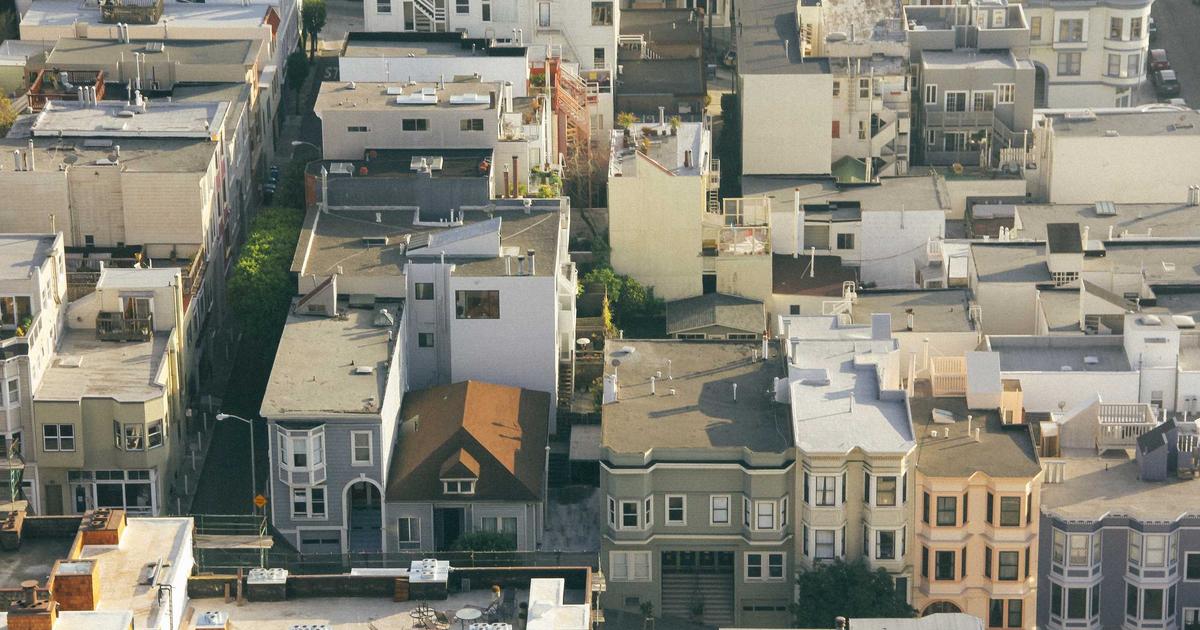
The intensity and spatial pattern of the urban heat island vary with city size, population density, land use characteristics, geographic setting, season, and weather conditions. Dense city centers with extensive impervious surfaces and limited vegetation typically experience the strongest heat island effect, while suburban areas with more vegetation and lower building density show intermediate warming. The heat island is not a uniform dome of warmer air over the city but rather a complex mosaic of warmer and cooler zones reflecting the heterogeneous urban landscape. Parks, water bodies, and tree-lined neighborhoods create cool islands within the broader urban warmth, while commercial districts, industrial zones, and areas of heavy traffic represent the hottest spots.
The Physical Causes of Urban Warming
The urban heat island effect arises from multiple interconnected physical mechanisms related to the unique characteristics of the built environment. Understanding these mechanisms is essential for developing effective mitigation strategies. The most fundamental cause is the transformation of natural land cover, with its vegetation, soil, and water surfaces, into artificial surfaces composed of asphalt, concrete, steel, glass, and other manufactured materials that interact with solar energy very differently from the natural surfaces they replaced.
Dark-colored impervious surfaces such as asphalt roads and conventional roofing materials absorb a much larger fraction of incoming solar radiation than natural land cover. While a vegetated meadow might reflect 20 to 25 percent of incoming sunlight and use much of the absorbed energy for evapotranspiration, a dark asphalt surface reflects only 5 to 10 percent and converts the remainder directly into sensible heat that warms the surface and the air above it. On a sunny summer day, asphalt surface temperatures can reach 140 to 160 degrees Fahrenheit, while a nearby grass surface might register only 95 to 100 degrees. This enormous temperature differential drives the fundamental difference between urban and rural thermal environments.
The three-dimensional geometry of cities amplifies the heat island effect through several mechanisms. Tall buildings create urban canyons that trap solar radiation through multiple reflections between opposing facades, ensuring that a larger fraction of incoming solar energy is absorbed rather than reflected back to space. These same canyons restrict the skyview factor, the fraction of the sky visible from a given point on the surface, which inhibits radiative cooling at night by blocking the escape of longwave radiation to space. Buildings also block wind flow, reducing the ventilation that would otherwise carry excess heat away from the urban core. The net result of these geometric effects is that cities absorb more energy during the day and release it more slowly at night than open landscapes.
Anthropogenic heat, the waste heat generated by human activities including vehicle engines, air conditioning systems, industrial processes, and building heating, adds an additional thermal burden to urban areas. In dense commercial districts, anthropogenic heat flux can reach 50 to 100 watts per square meter or more, a significant addition to the solar energy budget. During winter in cold-climate cities, anthropogenic heating can actually become the dominant driver of the urban heat island, exceeding the solar radiation differences that dominate in summer.
Health and Environmental Consequences
The urban heat island effect has significant consequences for public health, energy consumption, air quality, water quality, and ecological systems. These impacts disproportionately affect vulnerable populations, including the elderly, young children, people with chronic health conditions, outdoor workers, and low-income communities that often lack access to air conditioning, shade, and green space. Understanding these consequences underscores the urgency of implementing effective heat island mitigation strategies.
Heat-related illness and death represent the most direct health impact of the urban heat island effect. Extreme heat is already the deadliest weather hazard in the United States, causing more deaths in an average year than hurricanes, tornadoes, floods, and lightning combined. The urban heat island amplifies heat wave conditions in cities, extending the duration and intensity of dangerous heat exposure. During the catastrophic European heat wave of 2003, urban areas experienced significantly more heat-related deaths than surrounding rural areas, with mortality closely correlated to the intensity of the local heat island. Nighttime minimum temperatures are particularly critical because the body relies on cooler nighttime conditions to recover from daytime heat stress, and the UHI's strongest expression is during nighttime hours.
Elevated urban temperatures increase energy demand for air conditioning, creating a feedback loop in which the waste heat from cooling systems further intensifies the heat island. The U.S. Environmental Protection Agency estimates that the urban heat island increases summer electricity demand by 1 to 9 percent in cities across the country. This additional energy consumption translates to higher utility bills for residents and businesses, increased greenhouse gas emissions from fossil fuel power generation, and greater strain on electrical grids that can lead to brownouts or blackouts during peak demand periods, precisely when vulnerable populations most need cooling.
Air quality degradation is another significant consequence of urban warming. Higher temperatures accelerate the chemical reactions that produce ground-level ozone, a harmful pollutant that triggers respiratory problems, aggravates asthma, and damages lung tissue. Studies have shown that ozone concentrations increase by approximately 5 percent for every one degree Celsius rise in temperature above the threshold for ozone formation. The urban heat island effectively lowers the bar for ozone exceedance events, meaning that a city with a strong heat island will experience more poor air quality days than the same city would without the temperature amplification.
Mitigation Strategies: Cooling the Urban Landscape
A growing number of cities worldwide are implementing strategies to reduce the urban heat island effect and protect residents from extreme heat. These strategies generally fall into three categories: increasing surface reflectivity, expanding urban vegetation, and reducing anthropogenic heat generation. When deployed together in a comprehensive urban cooling plan, these approaches can meaningfully reduce urban temperatures and their associated health, energy, and environmental impacts.
Cool roofs and cool pavements use highly reflective or light-colored materials to reduce the absorption of solar radiation by urban surfaces. A conventional dark roof might reflect only 5 to 15 percent of incoming sunlight, while a cool roof can reflect 60 to 80 percent. Cool roof mandates have been adopted by cities including Los Angeles, New York, and several Indian metropolises, with documented reductions in building cooling energy consumption of 10 to 40 percent. Cool pavements using lighter-colored aggregates, reflective coatings, or permeable materials can reduce road surface temperatures by 20 to 40 degrees Fahrenheit compared to conventional dark asphalt, cooling both the surface and the overlying air.
Urban greening is perhaps the most effective and multi-benefit heat island mitigation strategy. Trees and vegetation cool the environment through two mechanisms: shading, which prevents solar radiation from reaching and heating surfaces below the canopy, and evapotranspiration, which transfers heat from the surface to the atmosphere through the evaporation of water from leaves. A single mature shade tree can provide a cooling effect equivalent to 10 room-size air conditioners running for 20 hours per day. Green roofs, which cover building rooftops with vegetation and growing medium, reduce rooftop surface temperatures by 30 to 40 degrees Fahrenheit while also managing stormwater, improving air quality, and providing habitat for pollinators and other urban wildlife.
Equity and the Future of Urban Cooling
The distribution of urban heat is closely correlated with historical patterns of inequality. Research has consistently demonstrated that formerly redlined neighborhoods, areas where discriminatory lending practices in the mid-twentieth century prevented investment and maintained racial segregation, have significantly less tree canopy, more impervious surface, and higher surface temperatures than non-redlined neighborhoods in the same city. This legacy of disinvestment means that the communities most vulnerable to heat-related illness are often the same communities experiencing the most intense urban heat island effects. Equitable heat island mitigation requires prioritizing investments in tree planting, cool surfaces, and green infrastructure in the neighborhoods that need them most.
Looking forward, the urban heat island effect will become increasingly important as both urbanization and climate change continue to accelerate. The combination of background warming from climate change and the amplification of the urban heat island creates compound heat risks that demand urgent attention. Cities that invest proactively in heat island mitigation will protect public health, reduce energy costs, improve air quality, enhance livability, and build resilience to a warmer future. Those that fail to act will see growing costs, both economic and human, as extreme heat events become more frequent, more intense, and more dangerous in the decades ahead. The science and solutions are well established; what remains is the political will and financial commitment to implement them at the scale required to make a meaningful difference.