Essential Emergency Kit
Every home should have a basic emergency kit that can sustain your household for at least 72 hours without power or water. Store it in an accessible location and check it annually. Replace expired items (batteries, medications, food) and update for changing family needs.
- Water: One gallon per person per day for at least 3 days.
- Non-perishable food: Canned goods, energy bars, dried fruit.
- Flashlight and batteries: Or crank-powered alternatives.
- First aid kit: Include prescription medications and copies of prescriptions.
- Weather radio: Battery or hand-crank NOAA weather radio for alerts.
- Phone charger: Portable power bank or solar charger.
- Important documents: Copies of IDs, insurance, medical records in a waterproof bag.
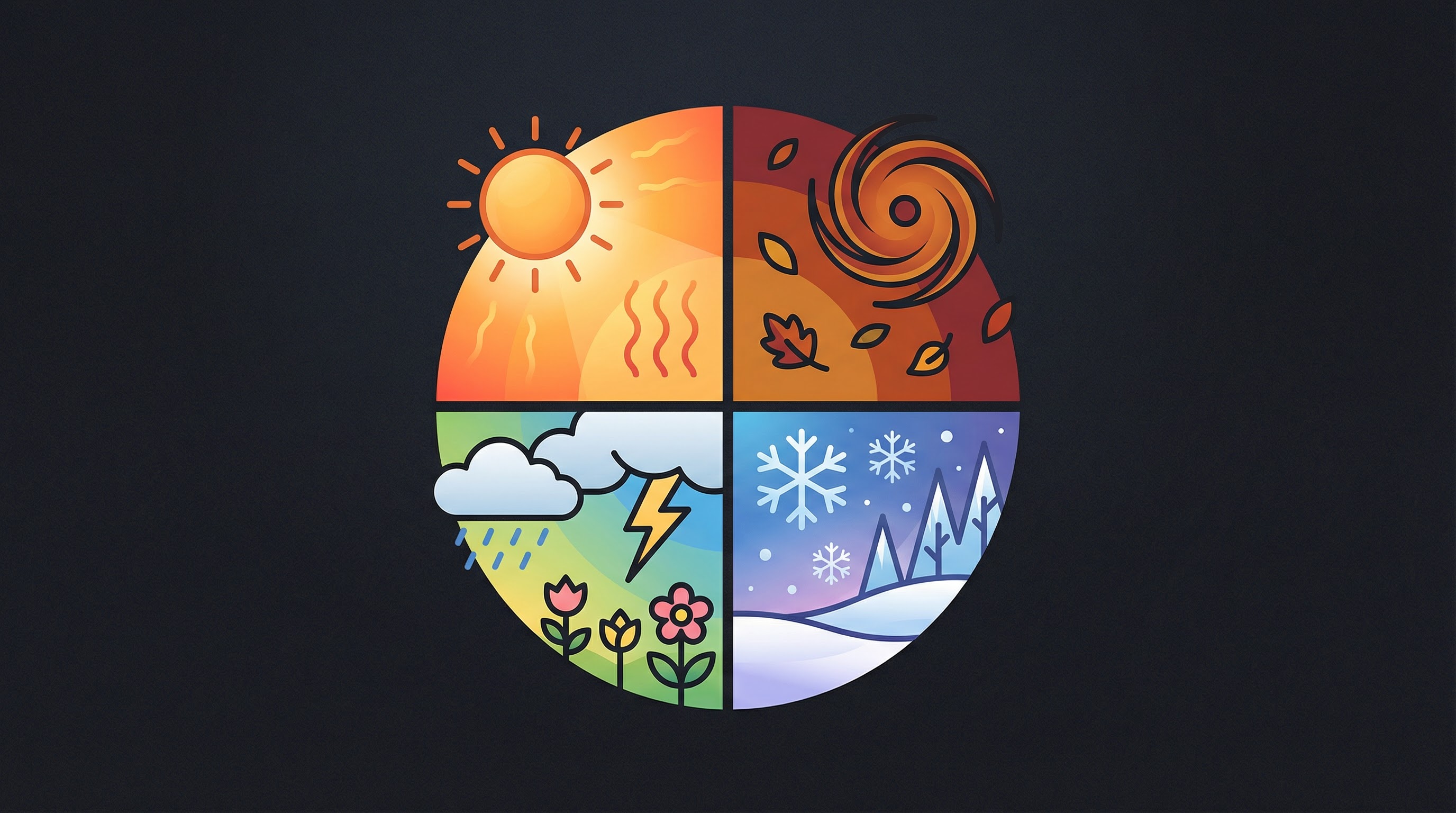
Heat Wave Preparedness
During prolonged heat, air conditioning can fail or power may be cut. Prepare by identifying cooling centers in your area, ensuring window units or AC are serviced before summer, and having fans and ice on hand. Know the signs of heat exhaustion and heat stroke. Check on elderly neighbors and those without AC. Close blinds during the day to reduce solar heat gain.
Winter Storm Readiness
Before winter, service your heating system, insulate pipes in unheated areas, and seal drafts. Keep rock salt or sand for walkways. Have extra blankets, warm clothing, and a plan for heating if power fails — but never use generators, camp stoves, or grills indoors; carbon monoxide kills silently. Know how to shut off water to prevent burst pipes. Keep your vehicle's gas tank at least half full during cold snaps.
Flood and Severe Storm Prep
If you live in a flood-prone area, elevate critical items (electrical panels, furnaces) and know your evacuation route. Install sump pumps with battery backup. During storm season, monitor forecasts and have a plan to move to higher ground. Never drive through flooded roads. After a storm, assume downed power lines are live and avoid standing water.
Wildfire Smoke and Air Quality
When wildfire smoke affects your area, create a "clean room" with windows closed and a HEPA air purifier. Have N95 masks for necessary outdoor exposure. Seal HVAC intakes during heavy smoke. Monitor AQI on Weather World AI and follow health guidance for sensitive groups.
Stay informed
Check real-time weather and alerts on our Weather Dashboard. Pair with official warnings from your national weather service for the most complete picture.
Weather World AI Editorial Team
This article was written and reviewed by our core team of meteorology enthusiasts and environmental health researchers. We rely on open, government-backed data sources (like NOAA and ECMWF) and adhere to strict editorial standards to ensure our weather, climate, and air quality information is accurate, up-to-date, and actionable.