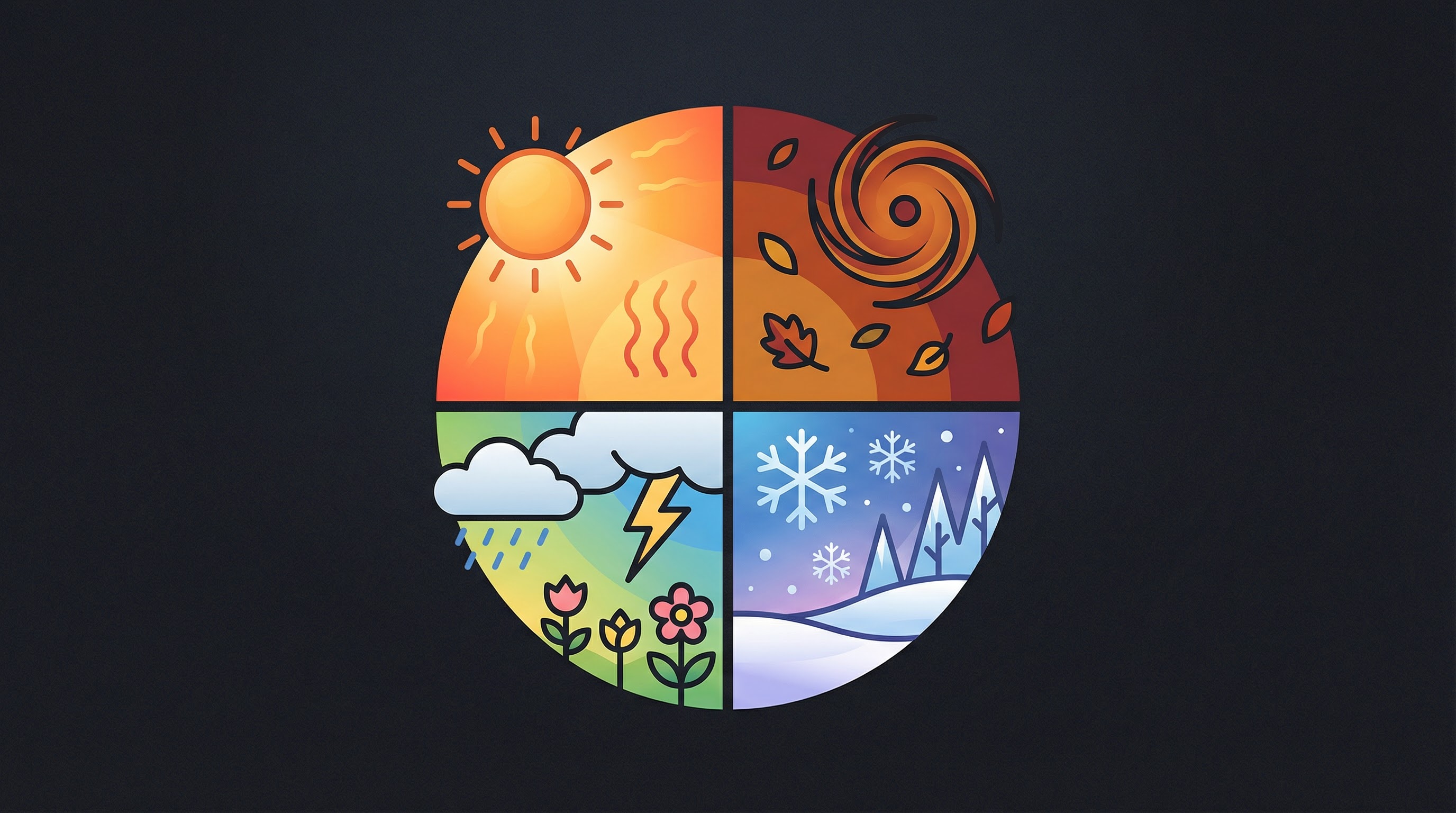
Summer: Heat Waves & UV Exposure
Extreme heat is the deadliest weather phenomenon in many countries, killing more people annually than hurricanes, tornadoes, and floods combined. Heat waves are defined as prolonged periods where temperatures significantly exceed the normal range for a region, and they are becoming more frequent and intense due to climate change.
Heat Safety Checklist
- Stay hydrated — drink water regularly, even if you do not feel thirsty. Avoid alcohol and caffeine during peak heat.
- Limit outdoor activity between 11 a.m. and 4 p.m., when temperatures and UV radiation peak.
- Wear lightweight, loose-fitting, light-colored clothing and a wide-brimmed hat.
- Apply broad-spectrum SPF 30+ sunscreen every 2 hours (and after swimming or sweating).
- Never leave children, elderly people, or pets in parked vehicles — interior temperatures can reach 60°C (140°F) within minutes.
- Know the signs of heat exhaustion (heavy sweating, weakness, nausea, dizziness) and heat stroke (hot dry skin, confusion, loss of consciousness). Heat stroke is a medical emergency — call emergency services immediately.
- Check on elderly neighbors and relatives who may not have air conditioning or may not recognize their own dehydration symptoms.
Air quality often worsens during heat waves. Ground-level ozone forms faster in hot, sunny conditions, and wildfire smoke can travel hundreds of miles. Always check AQI alongside temperature before heading outdoors. Our dashboard shows both in one view.
Autumn: Hurricane Season & Wildfire Smoke
The Atlantic hurricane season runs from June through November, with peak activity in September. Hurricanes bring destructive winds, storm surge (coastal flooding from wind-driven ocean water), and inland flooding from extreme rainfall. Meanwhile, wildfire season in the western Americas and Australia peaks in late summer and autumn.
Hurricane Preparedness
- Know your evacuation zone and routes before a storm threatens. Practice your plan.
- Prepare an emergency kit: water (1 gallon per person per day for 3 days), non-perishable food, medications, flashlight, batteries, important documents in waterproof containers, and cash.
- Secure loose outdoor objects (furniture, grills, trash cans) that could become projectiles.
- If authorities issue an evacuation order, leave immediately. Storm surge is the number one killer in hurricanes.
- After the storm, avoid floodwater (contamination, downed power lines, debris), and do not use generators indoors (carbon monoxide risk).
Wildfire Smoke Protection
- When AQI exceeds 150 due to wildfire smoke, limit all outdoor exposure. Close windows and doors.
- Run HEPA air purifiers indoors. If you do not have one, a box fan with a MERV-13 furnace filter taped to it (a "Corsi-Rosenthal box") provides surprisingly effective filtration.
- N95 masks are the only widely available masks that effectively filter wildfire smoke particles. Surgical and cloth masks do not provide meaningful protection against PM2.5.
- Monitor AQI throughout the day — smoke concentrations can shift rapidly with wind changes.
Winter: Cold, Ice & Storms
Winter storms, extreme cold, and ice can be life-threatening. Hypothermia can occur at temperatures well above freezing if a person is wet or exposed to wind. Frostbite can damage exposed skin in minutes when wind chill drops below -27°C (-17°F). Ice storms are particularly dangerous because they combine power outages with dangerously slippery roads.
Winter Safety Checklist
- Dress in layers: a moisture-wicking base layer, an insulating middle layer, and a windproof/waterproof outer layer. Cover extremities (fingers, toes, ears, nose) — these lose heat fastest.
- Keep an emergency kit in your vehicle: blankets, water, snacks, a flashlight, a phone charger, sand or cat litter (for traction), and jumper cables.
- Check weather forecasts before travel. If a winter storm is forecast, postpone non-essential trips. Black ice is invisible and causes accidents even at low speeds.
- Prevent frozen pipes by keeping your thermostat at 13°C (55°F) or above, opening cabinet doors under sinks, and letting faucets drip during extreme cold.
- If using space heaters, keep them at least 1 meter (3 feet) from combustibles and never leave them unattended. Carbon monoxide detectors are essential.
- Watch for hypothermia signs: intense shivering, slurred speech, drowsiness, confusion. Warm the person gradually and seek medical help.
Spring: Flooding, Severe Storms & Allergies
Spring brings the collision of retreating cold air masses with warm, moist air, creating conditions ripe for severe thunderstorms, tornadoes, and widespread flooding from snowmelt and heavy rain. Spring is also peak allergy season for many regions as trees, grasses, and weeds release pollen.
Flood and Storm Safety
- Never drive through flooded roads. Just 15 cm (6 inches) of moving water can knock an adult off their feet, and 60 cm (2 feet) can float a car. Turn around, don't drown.
- During severe thunderstorm or tornado warnings, move to an interior room on the lowest floor of a sturdy building, away from windows.
- Keep weather alerts enabled on your phone. Tornado warnings mean a tornado has been spotted or detected on radar — take immediate shelter.
- If you live in a flood-prone area, consider flood insurance (standard homeowner policies do not cover floods) and elevate critical utilities above expected flood levels.
Allergy Management
- Check pollen forecasts alongside weather. Windy, dry days spread more pollen; rain cleans the air but can trigger "thunder asthma" during certain storms.
- Shower and change clothes after spending time outdoors to remove pollen.
- Keep windows closed during high-pollen days and use air conditioning or purifiers with HEPA filters.
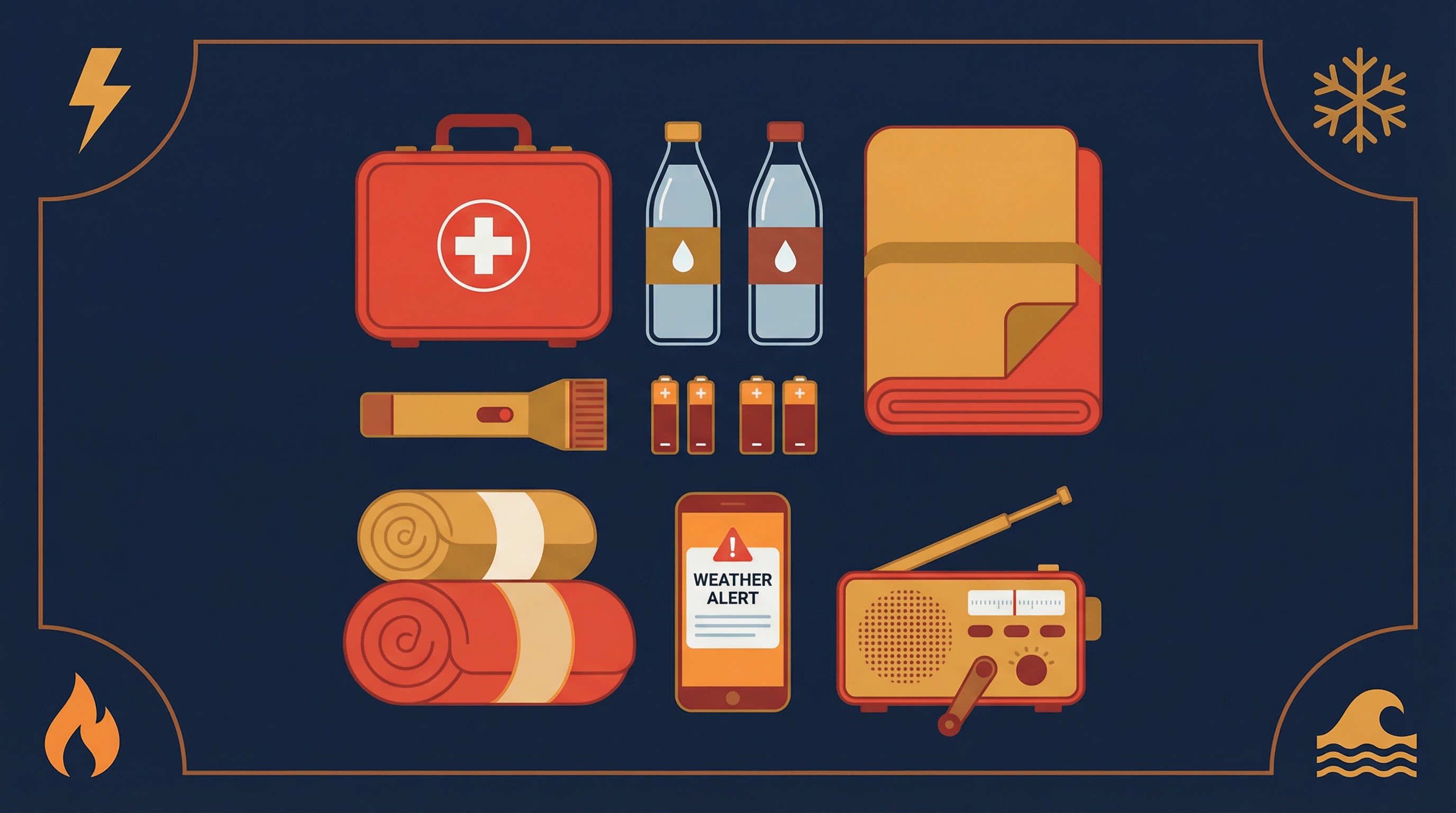
Year-Round: Building Resilience
Regardless of the season, the most effective weather safety strategy is consistent preparation. Maintain an up-to-date emergency kit, keep your phone charged and weather alerts enabled, know your local hazards (flood zones, tornado alleys, wildfire risk areas), and have a family communication plan. Regularly checking weather and air quality data — through tools like Weather World AI — ensures you are never caught off guard by changing conditions.
Stay informed
Check your local forecast daily and read our AQI health guide to protect your lungs in every season.
Weather World AI Editorial Team
This article was written and reviewed by our core team of meteorology enthusiasts and environmental health researchers. We rely on open, government-backed data sources (like NOAA and ECMWF) and adhere to strict editorial standards to ensure our weather, climate, and air quality information is accurate, up-to-date, and actionable.